Department of Convergence Medicine · Korea University College of Medicine
Precision Imaging & Magnetic Resonance Engineering Laboratory
PRIME Lab designs the next generation of MRI by integrating pulse sequences and k-space acquisition with physics-informed deep learning for image reconstruction and quantitative analysis. We build a bridge between how MRI signals are acquired and how artificial intelligence extracts meaningful insights from them.
Physics-informed and AI-driven: The future of precision neuroimaging.
What we build
Three layers of one imaging pipeline
An MRI operates as an interconnected chain that spans signal excitation, encoding, reconstruction, and interpretation. PRIME Lab addresses all three layers collectively rather than treating them as isolated problems, allowing improvements in one area to seamlessly enhance the design of the others.
Pulse Sequence Design
We develop fast, quantitative, and motion-robust acquisition strategies that range from diffusion-weighted sequences to quantitative MRI protocols specifically engineered for downstream machine learning.
Image Reconstruction
We utilize physics-informed and self-supervised deep learning for undersampled k-space to turn fewer measurements into faster scans without sacrificing diagnostic fidelity.
AI-Driven Processing
Our AI-driven processing includes segmentation, artifact correction, and quantitative parameter mapping to extract clinically and scientifically meaningful measurements from reconstructed images.
Core problem
From raw k-space to reconstructed signal
Every MR image begins as a sparse and noisy sampling of frequency space. While classical reconstruction methods fill in unmeasured data using fixed mathematical priors, our models learn these priors directly from data and physical laws. This approach recovers underlying structures using significantly fewer samples and enables much faster scanning times.
Focus areas
Research highlights

RA·1
Rapid Quantitative MRI with High-Fidelity
We focus on quantitative relaxometry mapping featuring tailored sequences designed jointly with their reconstruction networks. This methodology shortens scan times while maintaining high quantitative accuracy.

RA·2
Physics-Informed & Self-Supervised Learning
By embedding the MR signal equation and scanner physics directly into network architectures and loss functions, we build data-efficient and highly generalizable models.

RA·3
High-Resolution Diffusion MRI
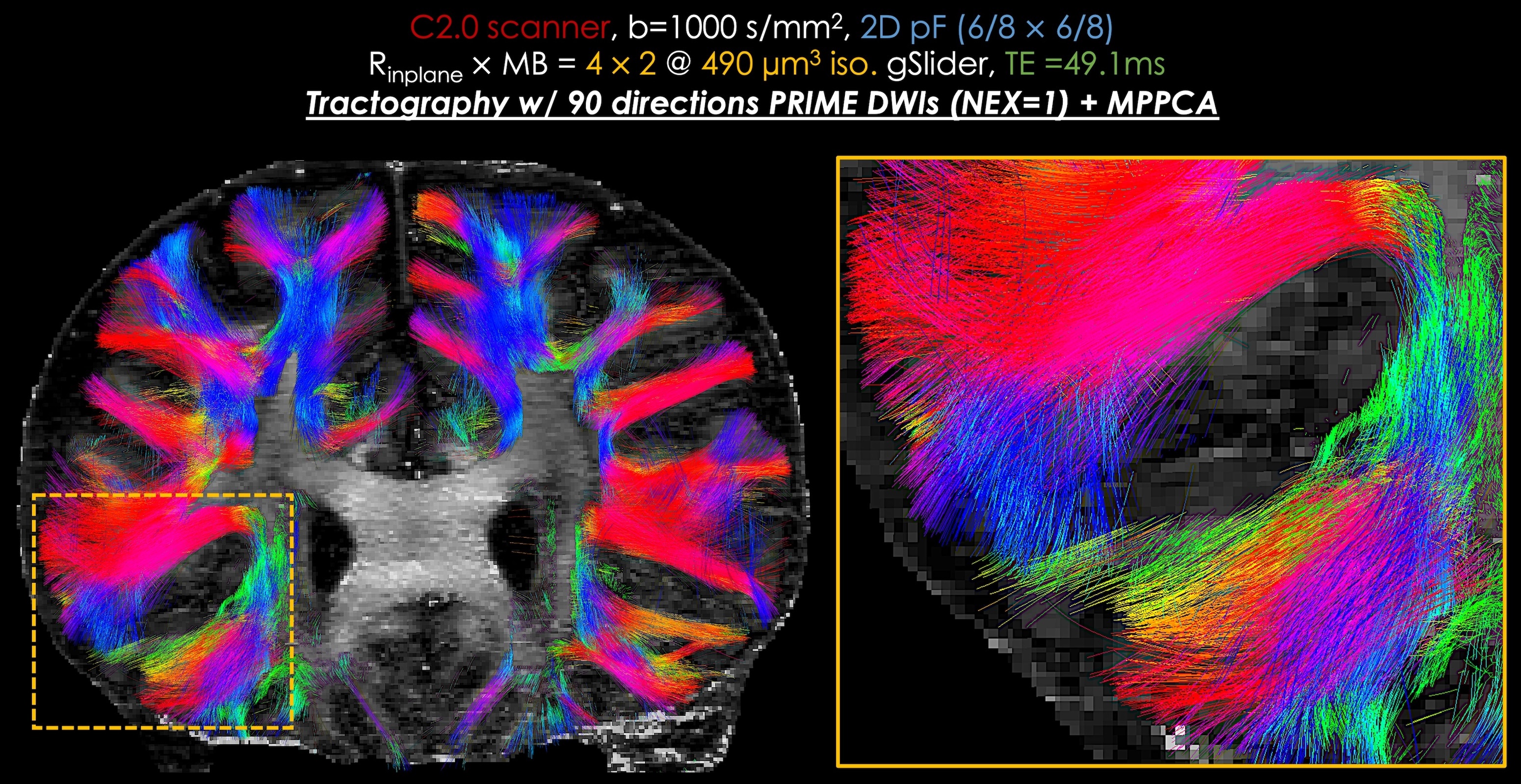
We apply distortion-corrected acquisition and network-based signal modeling to diffusion-weighted MRI to target microstructural and connectivity biomarkers.

RA·4
Automatic Diagnosis of Brain Disorders
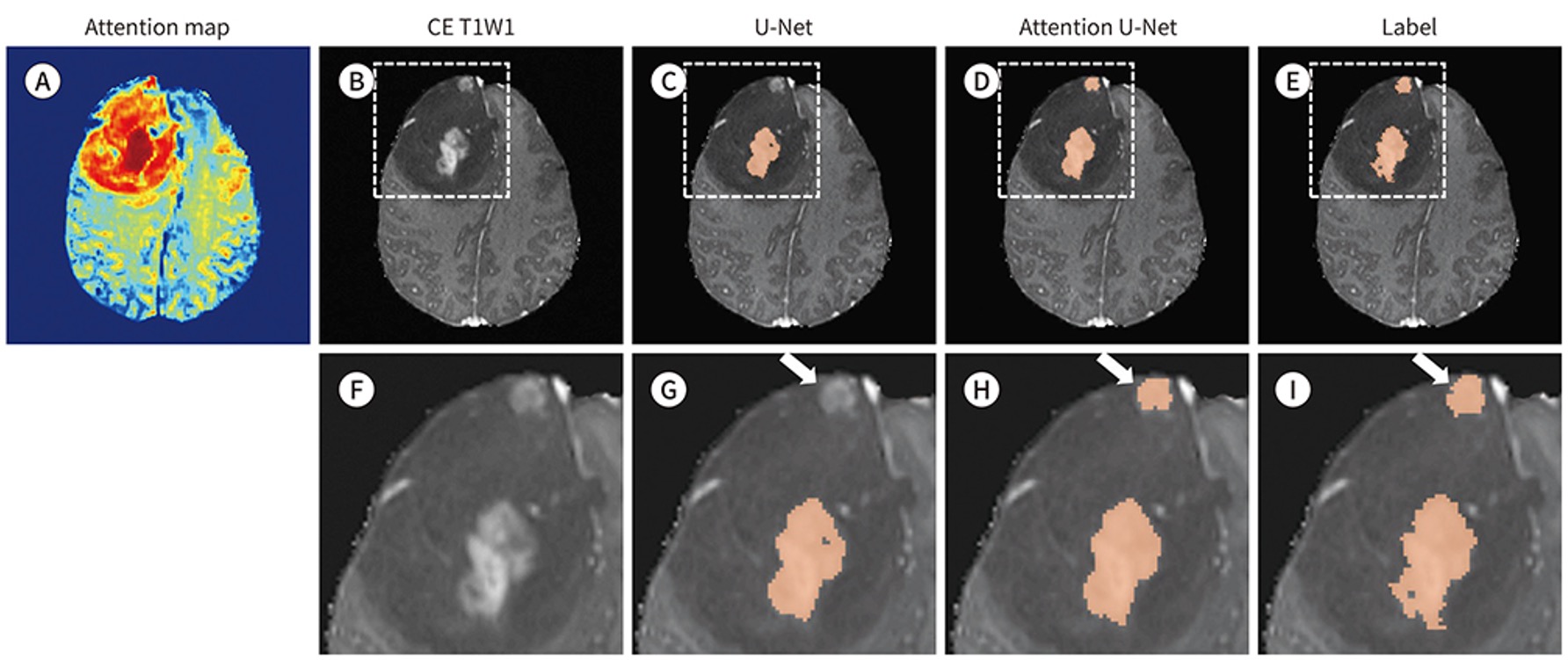
We develop comprehensive deep learning pipelines for the automatic detection, segmentation, and grading of brain tumors and other structural brain disorders. These tools incorporate explainable AI to actively support the clinical decision-making of radiologists.
Journal articles
Publications
25+ publications · 1350+ citations · h-index 15 · FWCI 3+
(+) Corresponding author, (*) First author






Who we are
Team
 PI
PI
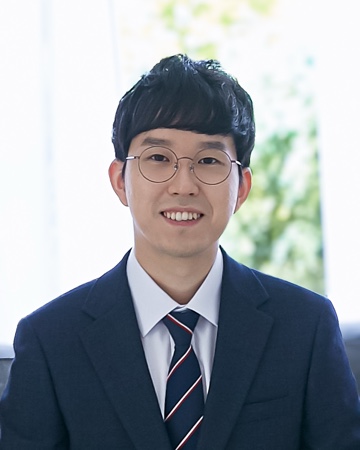
Yohan Jun, Ph.D.
Assistant Professor · Principal Investigator, PRIME Lab
Dr. Yohan Jun leads the research at PRIME Lab, situated at the intersection of MR physics and machine learning. His extensive background spans pulse sequence development, inverse problems in image reconstruction, and deep learning applications for medical imaging.
Education
- Ph.D. in Electrical & Electronic Engineering, Yonsei University (2022)
- B.S. in Electrical & Electronic Engineering, Yonsei University (2016)
Career
- Assistant Professor, Department of Convergence Medicine, Korea University College of Medicine (2026–Present)
- Instructor & Faculty Member in Radiology, Harvard Medical School and Investigator, Martinos Center for Biomedical Imaging, Massachusetts General Hospital (2024–2026)
- Postdoctoral Research Fellow, Martinos Center for Biomedical Imaging, MGH, Harvard Medical School (2022–2024)
- Research Assistant, Medical Artificial Intelligence Lab, Yonsei University (2016–2022)
Members
Researchers currently working with PRIME Lab.
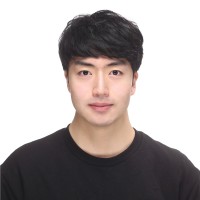
Hakjun Lee, M.S.
Post-Master Researcher
PRIME Lab @ Korea Univ.
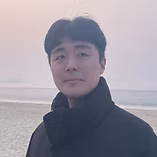
Jinho Joo
PhD Student (Visiting)
MAI-Lab @ Yonsei Univ.,
co-advised w/ Dr. Dosik Hwang
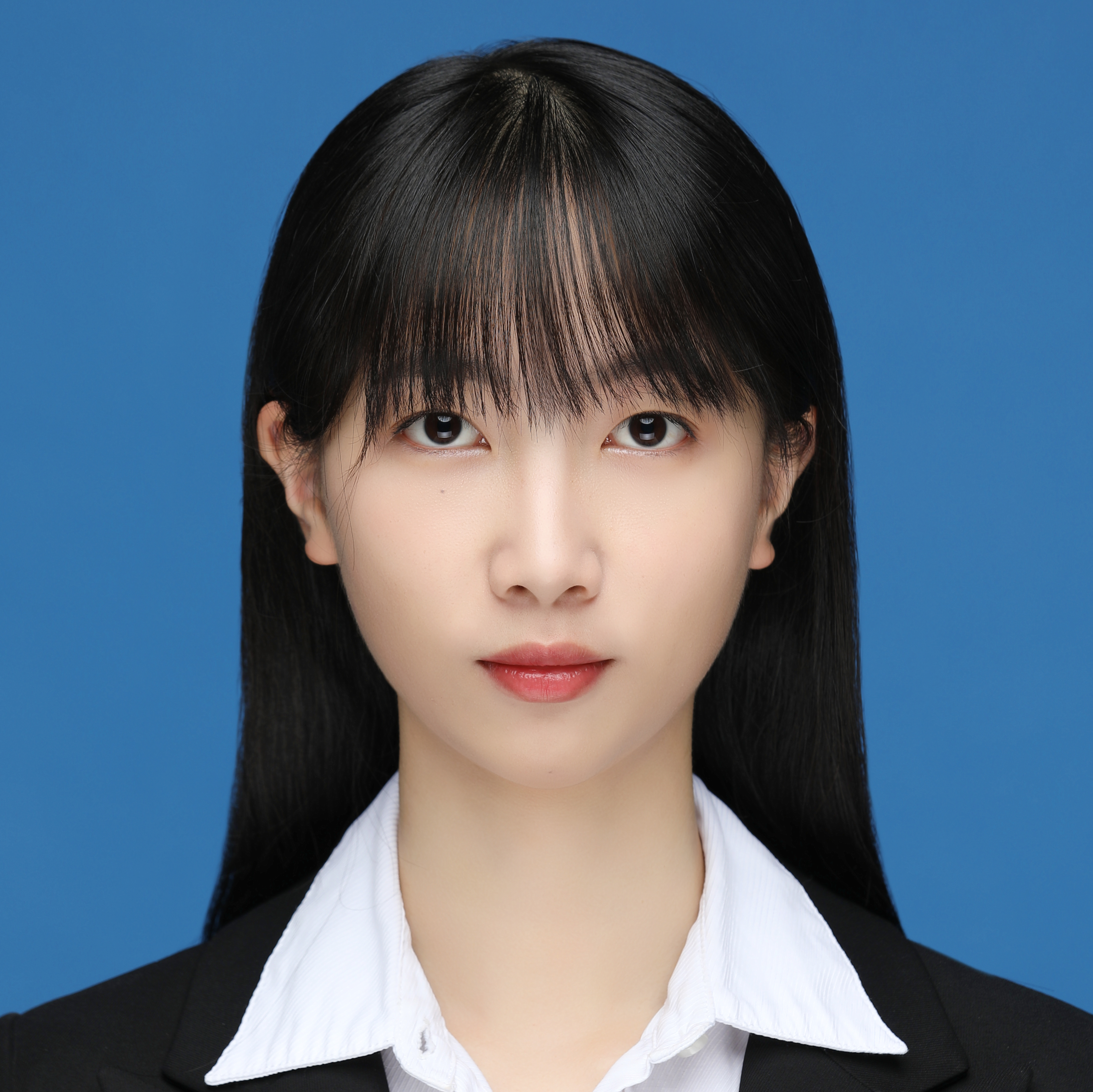
Yuting Chen
PhD Student (Visiting)
Dr. Huafeng Liu's Lab @ Zhejiang Univ.,
co-advised w/ Dr. Berkin Bilgic
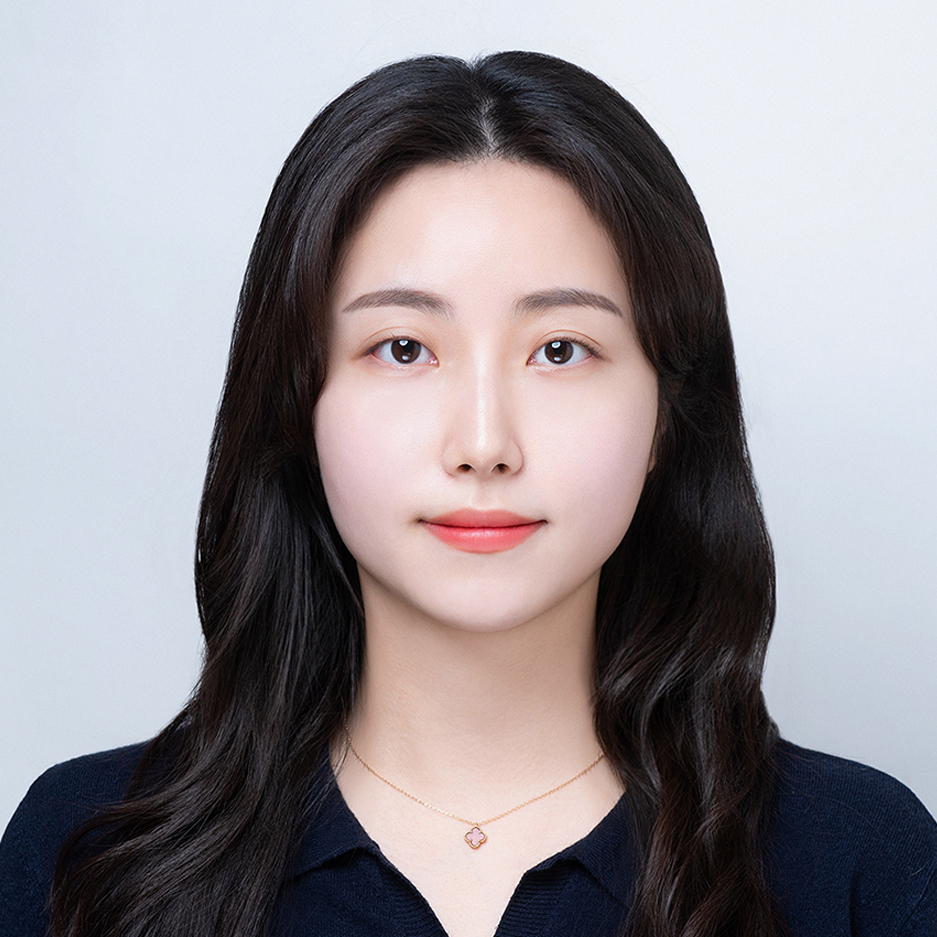
Jiye Kim, Ph.D.
Postdoctoral Researcher (Visiting)
LIST @ Seoul National Univ.,
co-advised w/ Dr. Jongho Lee & Dr. Berkin Bilgic
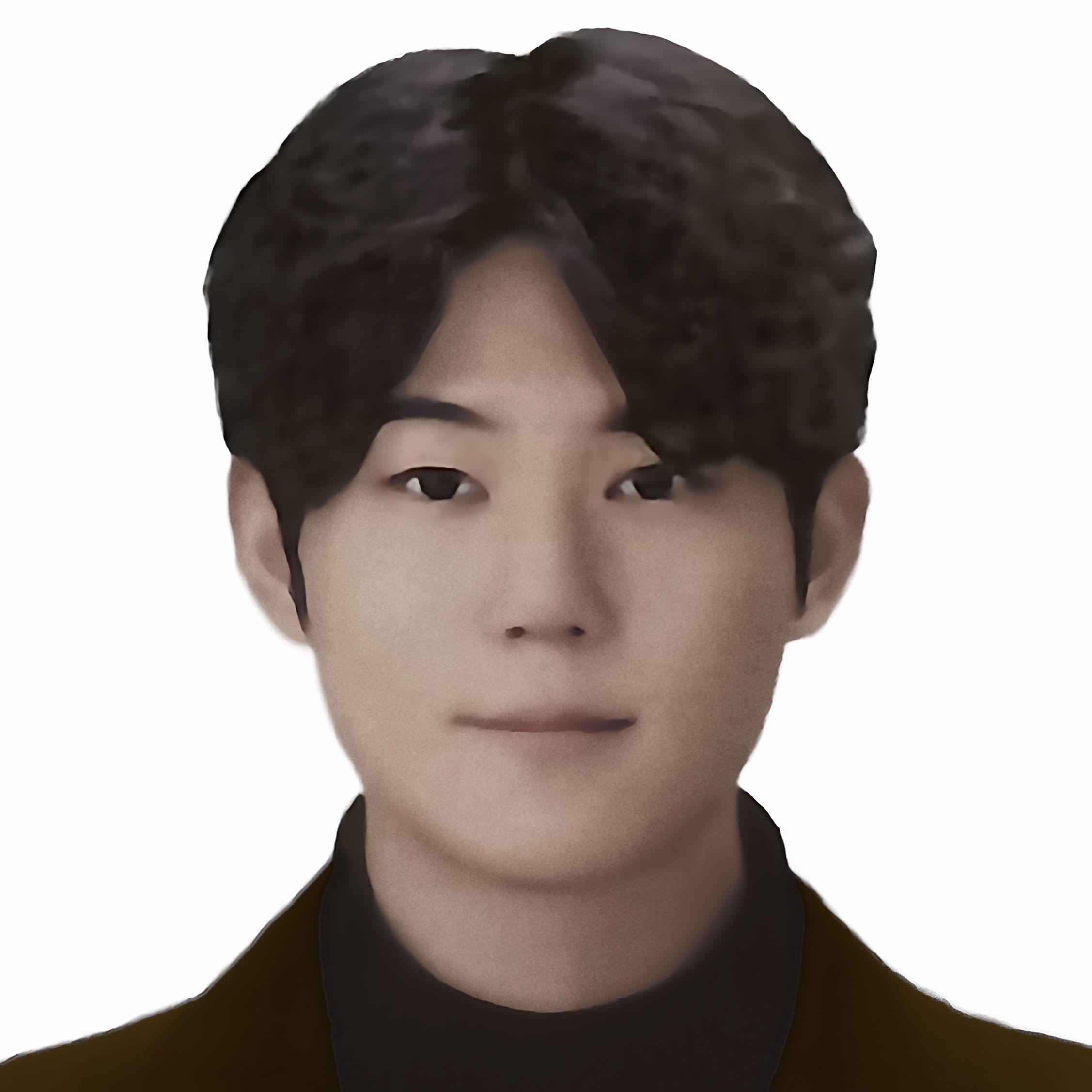
John Yechan Jo
Undergraduate Researcher
PRIME Lab @ Korea Univ.
Now recruiting
PRIME Lab is actively seeking highly motivated students to join our team. The following positions are currently open.
Open Position
Postdoctoral Researcher
Open Position
PhD Student
Open Position
Undergraduate Researcher
Updates
News
Jiye Kim, Ph.D. received the Best Abstract Award at the ISMRM EMTP Workshop.
Our paper on Omni-QALAS, an optimized multiparametric imaging technique for simultaneous T1, T2, and myelin water mapping, has been published in IEEE Transactions on Biomedical Engineering.
Our paper introducing SeqEyes, an open-source toolbox for synchronized waveform/trajectory visualization in Pulseq, has been published in Magnetic Resonance in Medicine.
PRIME Lab is recruiting PhD and joint MS-PhD students — see Join the Lab below.
PRIME Lab established in the Department of Convergence Medicine at Korea University College of Medicine.
Our PI's first-authored paper introducing PRIME, a framework for highly accelerated and distortion-corrected diffusion MRI, has been published in Medical Image Analysis.
Our PI was awarded the 2026 MGB Radiology Innovation Award by Massachusetts General Brigham.
A collaborative review on deep learning in fetal, infant, and toddler neuroimaging research has been published in Developmental Cognitive Neuroscience.
Our co-first-authored paper on the clinical feasibility of 3D-QALAS synthetic MRI combined with Zero-DeepSub in pediatric patients has been published in Pediatric Radiology.
Our work on MIMOSA, an optimized sequence for highly efficient multi-parametric quantitative MRI, has been published in Magnetic Resonance in Medicine.
Our team's comprehensive tutorial on modern MRI reconstruction methods and their clinical implications has been published in IEEE Transactions on Biomedical Engineering.
Our team's work demonstrating how vendor-agnostic 3D multiparametric relaxometry improves cross-platform reproducibility has been published in Magnetic Resonance in Medicine.
A collaborative review evaluating the clinical applications of deep learning image reconstruction and synthetic MRI of the brain has been published in Investigative Radiology.
Our PI was promoted to Instructor and Faculty Member at the Martinos Center, MGH, and HMS.
Our PI's first-authored paper presenting Zero-DeepSub, a zero-shot deep subspace reconstruction method for rapid quantitative MRI, has been published in Magnetic Resonance in Medicine.
Our PI was named an ISMRM Junior Fellow.
Our PI's work was awarded 1st Place for Best Oral Presentation by the Diffusion Study Group at the 2024 ISMRM Annual Meeting.
Our PI's research was recognized at the 2024 ISMRM Meeting as an Annual Meeting Program Committee (AMPC) Selected Abstract, placing it in the top 1% of submissions.
Our PI received the ISMRM Summa Cum Laude award for work presented at the 2024 ISMRM Annual Meeting.
Our PI's first-authored paper detailing SSL-QALAS, a self-supervised learning approach for rapid multiparameter estimation, has been published in Magnetic Resonance in Medicine.
Our PI was recognized as a Distinguished Reviewer for IEEE Transactions on Medical Imaging (IEEE TMI).
Our PI received the ISMRM Summa Cum Laude award for work presented at the 2023 ISMRM Annual Meeting.
Gallery
Photos


Recruiting
Join the lab
We are looking for postdoctoral fellows, graduate students, and researchers who are eager to work across the full imaging stack, spanning from sequence physics to deep learning algorithms. A background in any of the following areas will serve as a strong starting point.
Email the PI →- Postdoctoral fellows or PhD students in Biomedical Engineering, Electrical Engineering, or Computer Science
- A solid background in signal processing, applied mathematics, or physics
- Hands-on experience with PyTorch or similar deep learning frameworks
- A strong curiosity about MRI physics (no prior MRI experience is required)
- Undergraduate research assistant positions are available year-round
Location & Inquiries
Contact
PRIME Lab
Precision MRI Research Center
Chung Mong-Koo Future Medicine Building
Korea University Medi-Science Park
161 Jeongneung-ro, Seongbuk-gu, Seoul, Republic of Korea
정몽구 미래의학관 MRI정밀영상연구센터
고려대학교 메디사이언스파크
서울 성북구 정릉로 161
네이버 지도